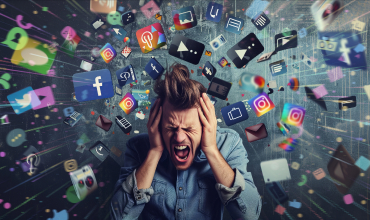
Unplugging for Peace: How Avoiding Social Media Can Boost Your Mental Health
Unplugging for Peace: How Avoiding Social Media Can Boost Your Mental Health Home / Blog We live in a world where social media is everywhere—from our phones and computers to our social circles and even workplaces. Social media can keep us connected, informed, and entertained, but it can also leave us feeling anxious, distracted, or even inadequate. For those seeking better mental health, stepping back from social media can be a powerful step toward feeling more grounded, focused, and positive. Here’s why avoiding social media (or at least setting healthy boundaries) can be a game-changer for mental well-being: 1. Reducing Anxiety and ComparisonScrolling through social media, it’s easy to fall into the comparison trap. We see endless photos of friends on vacation, influencers with “perfect” lives, and success stories that make us question our own achievements. This constant comparison can lead to feelings of inadequacy and self-doubt. By limiting social media use, you create space to focus on your own journey—without the pressure of comparing it to everyone else’s highlight reel. 2. Less Stress, More CalmSocial media can be an endless source of information—but that can also mean an endless source of stress. News headlines, political debates, and opinionated posts can create a constant feeling of tension and overwhelm. Taking a break from these digital stressors gives your mind a chance to unwind, allowing you to feel more at peace and present in your own life. 3. Improved Focus and ProductivityThe quick dopamine hit we get from social media can be addictive, and it’s easy to lose track of time while scrolling. Studies have shown that constant notifications and social media check-ins can lower productivity and increase procrastination. Stepping away from social media helps reduce distractions, allowing you to focus better on your tasks, work, and personal goals. 4. Better Sleep and Mental ClarityMany people check social media right before bed, but this habit can lead to poor sleep. The blue light from screens disrupts melatonin production, and stimulating content can keep your mind racing. By avoiding social media—especially before bedtime—you’re more likely to get a restful night’s sleep, which plays a huge role in maintaining good mental health. 5. Stronger Real-Life ConnectionsSocial media keeps us in touch with many people, but it can sometimes weaken our closest connections. When we’re glued to our phones, we may miss meaningful moments with family, friends, and loved ones. Choosing real-life interactions over digital ones can deepen relationships, create more fulfilling connections, and boost feelings of belonging. 6. Enhanced Self-Esteem and Self-AcceptanceSocial media often promotes unrealistic standards of beauty, success, and happiness. When we constantly see edited photos and idealized lifestyles, it’s easy to feel like we’re falling short. Taking a break from social media allows us to step away from these expectations and focus on self-acceptance and appreciation for who we truly are—without filters or curated content. 7. More Time for Hobbies and PassionsThink about the time spent on social media and what else you could do with it. From picking up a new hobby to exploring the outdoors, taking time away from social media can help you rediscover activities that make you genuinely happy. Engaging in these interests can bring joy, fulfillment, and a strong sense of purpose. Tips for a Healthier Relationship with Social Media Set Boundaries: Limit screen time, especially during meals, before bed, and when spending time with others. Try “Social Media Free” Days: Take one day a week to unplug and focus on real-life activities. Curate Your Feed: Unfollow accounts that trigger stress or negativity. Follow pages that inspire and uplift you. Focus on Real Connections: Prioritize in-person interactions or meaningful phone calls with loved ones over online interactions. Taking a break from social media—even if only for a few hours each day—can help you reconnect with yourself, improve your focus, and cultivate a greater sense of inner peace. Mental health thrives when we’re not constantly plugged in, so take some time to unplug, unwind, and rediscover the joy in living offline.