KSR NURSING CORPORATION

Author name: admin

Uncategorized

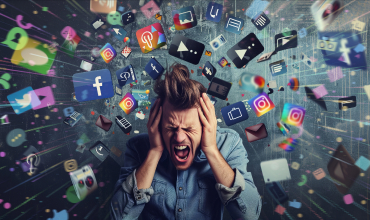
Unplugging for Peace: How Avoiding Social Media Can Boost Your Mental Health

Unplugging for Peace: How Avoiding Social Media Can Boost Your Mental Health Home / Blog We live in a world where social media is everywhere—from our phones and computers to our social circles and even workplaces. Social media can keep us connected, informed, and entertained, but it can also leave us feeling anxious, distracted, or even inadequate. For those seeking better mental health, stepping back from social media can be a powerful step toward feeling more grounded, focused, and positive. Here’s why avoiding social media (or at least setting healthy boundaries) can be a game-changer for mental well-being: 1. Reducing Anxiety and ComparisonScrolling through social media, it’s easy to fall into the comparison trap. We see endless photos of friends on vacation, influencers with “perfect” lives, and success stories that make us question our own achievements. This constant comparison can lead to feelings of inadequacy and self-doubt. By limiting social media use, you create space to focus on your own journey—without the pressure of comparing it to everyone else’s highlight reel. 2. Less Stress, More CalmSocial media can be an endless source of information—but that can also mean an endless source of stress. News headlines, political debates, and opinionated posts can create a constant feeling of tension and overwhelm. Taking a break from these digital stressors gives your mind a chance to unwind, allowing you to feel more at peace and present in your own life. 3. Improved Focus and ProductivityThe quick dopamine hit we get from social media can be addictive, and it’s easy to lose track of time while scrolling. Studies have shown that constant notifications and social media check-ins can lower productivity and increase procrastination. Stepping away from social media helps reduce distractions, allowing you to focus better on your tasks, work, and personal goals. 4. Better Sleep and Mental ClarityMany people check social media right before bed, but this habit can lead to poor sleep. The blue light from screens disrupts melatonin production, and stimulating content can keep your mind racing. By avoiding social media—especially before bedtime—you’re more likely to get a restful night’s sleep, which plays a huge role in maintaining good mental health. 5. Stronger Real-Life ConnectionsSocial media keeps us in touch with many people, but it can sometimes weaken our closest connections. When we’re glued to our phones, we may miss meaningful moments with family, friends, and loved ones. Choosing real-life interactions over digital ones can deepen relationships, create more fulfilling connections, and boost feelings of belonging. 6. Enhanced Self-Esteem and Self-AcceptanceSocial media often promotes unrealistic standards of beauty, success, and happiness. When we constantly see edited photos and idealized lifestyles, it’s easy to feel like we’re falling short. Taking a break from social media allows us to step away from these expectations and focus on self-acceptance and appreciation for who we truly are—without filters or curated content. 7. More Time for Hobbies and PassionsThink about the time spent on social media and what else you could do with it. From picking up a new hobby to exploring the outdoors, taking time away from social media can help you rediscover activities that make you genuinely happy. Engaging in these interests can bring joy, fulfillment, and a strong sense of purpose. Tips for a Healthier Relationship with Social Media Set Boundaries: Limit screen time, especially during meals, before bed, and when spending time with others. Try “Social Media Free” Days: Take one day a week to unplug and focus on real-life activities. Curate Your Feed: Unfollow accounts that trigger stress or negativity. Follow pages that inspire and uplift you. Focus on Real Connections: Prioritize in-person interactions or meaningful phone calls with loved ones over online interactions. Taking a break from social media—even if only for a few hours each day—can help you reconnect with yourself, improve your focus, and cultivate a greater sense of inner peace. Mental health thrives when we’re not constantly plugged in, so take some time to unplug, unwind, and rediscover the joy in living offline.


Uncategorized

Why Good Mental Health is the Secret Sauce to a Happier Life (With a Dash of Humor!)

Why Good Mental Health is the Secret Sauce to a Happier Life (With a Dash of Humor!) Home / Blog Ah, mental health. We hear about it all the time, yet many of us still treat it like an optional side dish instead of the main course of life. But the truth is, good mental health isn’t just about avoiding meltdowns in the cereal aisle or resisting the urge to scream into a pillow every Monday morning. It’s about living a balanced, joy-filled life—and yes, it can even make those Mondays bearable (almost). So, why is mental health so important, and how can it actually improve your life? Let’s take a lighthearted look! 1. Less Drama, More ZenLet’s face it, life is a lot like a soap opera: it’s unpredictable, messy, and sometimes you’re not sure who the villain is. But when your mental health is in check, you can play it cool, even when your “plot twists” seem straight out of a TV drama. With a calm mind, you’ll handle tough days like a boss. Or at least without the need to dramatically throw anything. Progress, right? 2. Sleep Like a Baby (But Not Like a Real Baby)Good mental health means less anxiety keeping you up at night and more Zs! Think about it: when your mind isn’t racing at 2 a.m., you get that deep, glorious, adult sleep—not the “up every three hours crying” type that actual babies get. And with quality sleep, you’ll be less likely to wake up wanting to fight your alarm clock. 3. Better Relationships (Fewer Awkward Apologies)When your mental health is solid, you’re less likely to send those “Sorry for snapping at you” texts. You know, the ones that go, “It wasn’t you, it was my low blood sugar…and my stress…and that cat meme that made me oddly emotional.” Good mental health means you’re more patient, kind, and present. And people like being around someone who doesn’t flip out over a minor inconvenience! 4. Physical Health PerksMental health and physical health are like peanut butter and jelly—they just go better together. Studies show that good mental health can lower stress, boost your immune system, and even help your heart. So if you’ve ever wondered why some people radiate energy and rarely seem to get sick, it might just be their mental health game is strong. 5. More Brainpower to SpareThink of your mind like a computer with too many tabs open. When your mental health is off, your brain is running on overload, using energy on things like worrying about the future or replaying embarrassing moments from 10 years ago (yes, we all do it). With good mental health, your mind is free to focus on more important things, like your goals, relationships, and actually living in the moment. It’s like upgrading to the premium plan of life’s streaming service—no more endless buffering. 6. You Might Actually Like YourselfHere’s a plot twist: with good mental health, you might just become your own best friend. And guess what? Self-love can make life a lot easier. You’re more likely to pursue your dreams, take better care of yourself, and not waste time obsessing over what others think. It’s the mental health superpower—confidence! 7. It’s Freeing, ReallyImagine being able to scroll through social media without comparing yourself to every single person or go into a social setting without worrying about saying something weird. Good mental health lets you be you—unapologetically. And the best part? You’ll likely be too busy enjoying life to care what anyone else thinks about it. So, What’s the Takeaway? Good mental health doesn’t just make you feel good; it makes life smoother, more enjoyable, and, dare we say, fun. So make time for self-care, laugh a lot, and don’t be afraid to reach out when you need it. Remember, you’re not alone, and we all need a little help navigating this wild ride called life. And, hey, if nothing else, just think of good mental health as your VIP pass to a happier, healthier, drama-free existence. Not bad, right?

Uncategorized

The Dangers of Delaying Treatment for Depression and Anxiety

The Dangers of Delaying Treatment for Depression and Anxiety Home / Blog Depression and anxiety are often misunderstood as temporary or “phases” people go through. However, they are real medical conditions that impact millions of lives daily. Unfortunately, many people delay seeking treatment, either due to stigma, lack of resources, or the hope that things will get better on their own. Delaying treatment for depression and anxiety can have serious consequences that affect every part of life—from relationships to physical health and overall well-being. Worsening Symptoms: Without treatment, symptoms of depression and anxiety often get worse. Sadness can deepen into hopelessness, and anxiety can spiral into panic attacks. The longer these conditions are left untreated, the more intense and overwhelming symptoms can become, making it harder to seek help. Physical Health Decline: Depression and anxiety don’t only affect the mind; they also impact the body. Chronic stress from untreated anxiety, for example, can increase the risk of heart disease, digestive issues, and weakened immune function. Depression has been linked to inflammation, chronic pain, and higher risks for illnesses like diabetes and heart disease. Impaired Relationships: Living with untreated depression or anxiety can strain relationships with loved ones. Isolation, irritability, and mood swings can create misunderstandings and conflicts, often leading to feelings of loneliness and further withdrawal from social support. Decreased Performance and Motivation: Whether at work, school, or in daily tasks, untreated depression and anxiety can lead to difficulty concentrating, decreased productivity, and low energy. This often results in missed opportunities and can further erode self-esteem and motivation. Increased Risk of Substance Abuse: In efforts to self-medicate, some people turn to alcohol, drugs, or other substances to manage their symptoms. While these might provide temporary relief, they often lead to addiction and worsen mental health symptoms in the long run. Risk of Suicide: Untreated depression is one of the most significant risk factors for suicide. When feelings of hopelessness and despair grow unchecked, individuals may feel that there’s no escape from their pain. Seeking timely help can be life-saving. Seeking treatment for depression and anxiety can feel daunting, but help is available, and it’s okay to ask for support. Therapy, medication, lifestyle changes, and support groups are all effective ways to manage and overcome these conditions. The sooner someone seeks help, the sooner they can start experiencing relief and reclaiming their quality of life. Don’t wait to seek help—taking that first step can lead to a path of healing and hope.

Uncategorized

Neurotransmitters Affected in Depression and Anxiety: Understanding the Brain’s Chemistry

Neurotransmitters Affected in Depression and Anxiety: Understanding the Brain’s Chemistry Home / Blog Depression and anxiety aren’t just emotional states; they’re deeply connected to the chemistry in our brains, specifically involving neurotransmitters. Neurotransmitters are chemical messengers that help regulate mood, thoughts, and behaviors. When their balance is disrupted, it can lead to mental health challenges like depression and anxiety. Serotonin: Known as the “feel-good” neurotransmitter, serotonin plays a crucial role in regulating mood, sleep, and appetite. Low serotonin levels are often linked to depression, and many antidepressant medications work to increase serotonin availability in the brain. Dopamine: Dopamine influences motivation, reward, and pleasure. Reduced dopamine activity is often associated with low energy, lack of interest, and other symptoms commonly seen in depression. Dopamine also plays a role in anxiety by affecting our reward response and how we perceive pleasure. Norepinephrine: This neurotransmitter is involved in the body’s “fight-or-flight” response, impacting energy levels, alertness, and stress response. Low levels of norepinephrine are linked to fatigue and lack of motivation in depression, while heightened activity can contribute to feelings of anxiety and hyper-vigilance. Gamma-Aminobutyric Acid (GABA): GABA is the brain’s primary inhibitory neurotransmitter, helping to calm the nervous system. Low GABA levels can lead to heightened anxiety and stress, as the brain becomes more excitable and less able to manage anxiety responses. By understanding these neurotransmitters and how they impact mental health, treatments for depression and anxiety—such as medications, lifestyle changes, and therapy—aim to restore balance in the brain. Addressing neurotransmitter imbalances can pave the way for more effective and targeted mental health care.

Scroll to Top